



High Blood Pressure Is Not Just a Heart Issue — It’s a Nervous System Imbalance
2nd Mar 2026 | Author - Dr Gargee Shrimali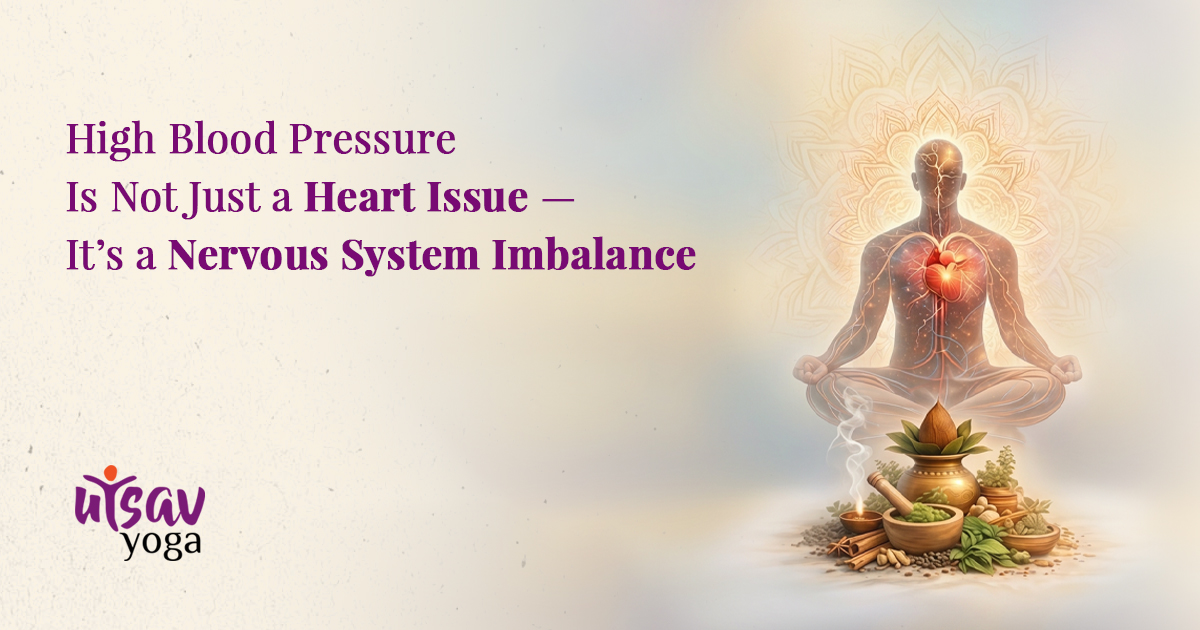
When we think of high blood pressure (Hypertension), we usually associate it with the heart and arteries. But from an Ayurvedic
perspective, the story goes much deeper.
High blood pressure is not only a circulatory condition — it is often a reflection of imbalance in the nervous system and the subtle
energies governing the body.
In Ayurveda, the body functions through the harmonious interaction of the three Doshas: Vata, Pitta, and Kapha. When these energies
fall out of balance, physiological disturbances arise.
Let us understand how.
⸻
The Role of Vyana Vata: The Driver of Circulation
Among the five subtypes of Vata, Vyana Vata governs circulation, heartbeat, and the movement of blood throughout the body.
When Vata becomes aggravated — due to:
• Chronic stress
• Anxiety
• Overthinking
• Irregular sleep
• Erratic lifestyle
• Excess screen time
• Suppressed emotions
Vyana Vata becomes overstimulated.
This overstimulation increases the force and irregularity of circulation, contributing to elevated blood pressure.
In modern language, we may call this sympathetic nervous system overdrive.
⸻
When Pitta Heats the Blood
Pitta governs heat, metabolism, and transformation.
When aggravated — often due to:
• Anger
• Ambition without rest
• Spicy, acidic food
• Excess caffeine
• Work pressure
Pitta heats the Rakta Dhatu (blood tissue).
Heated blood combined with heightened circulation creates internal pressure — physically and energetically.
This manifests as irritability, headaches, flushing, and rising blood pressure.
⸻
Kapha and Blocked Channels
Kapha provides structure and stability. But when Kapha accumulates due to:
• Sedentary lifestyle
• Heavy diet
• Processed food
• Lack of movement
It can block the subtle channels (Srotas) of circulation.
This resistance in the channels forces the heart to pump harder — increasing pressure.
⸻
A Dosha Perspective on High BP
High blood pressure often reflects:
• Aggravated Vata (nervous overstimulation)
• Heated Pitta (inflammatory stress)
• Obstructed Kapha (channel blockage)
Therefore, managing hypertension is not just about reducing numbers — it is about restoring systemic balance.
⸻
The Ayurvedic Approach: Calm, Cool, Clear
The path to balance is gentle and holistic.
Calm Vata
• Regular sleep schedule
• Abhyanga (oil massage)
• Slow breathing practices
• Guided meditation
• Warm, grounding foods
Cool Pitta
• Reduce stimulants
• Favor cooling herbs and foods
• Practice emotional regulation
• Spend time in nature
Clear Kapha
• Daily movement
• Light, easily digestible meals
• Avoid heavy, oily foods
• Improve digestion
⸻
Beyond Medication: A Deeper Reset
Modern medicine plays an important role in acute management. However, long-term healing requires addressing the root imbalance.
In Ayurveda, we do not treat blood pressure in isolation. We restore rhythm.
When the nervous system calms, the blood cools, and the channels clear — pressure naturally finds balance.
High BP is not just a heart issue.
It is the body asking for alignment.
⸻
At Utsav – Ayurkriya
Through personalized Ayurvedic consultation, dietary guidance, herbal support, and integrated yoga practices, we help you address
hypertension at its root — gently and sustainably.
Balance the Doshas.
Balance the pressure.
— Dr. Gargee Sharma
Ayurkriya – Science of Ayurveda
Utsav Yoga